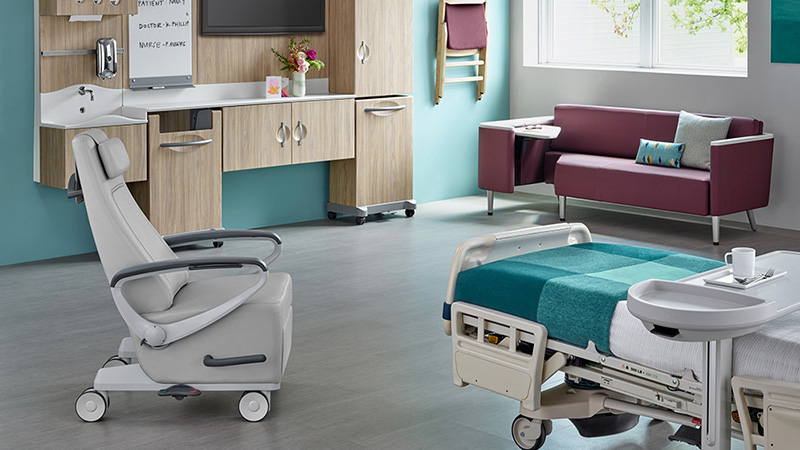
High stakes and fast moves define the daily life of a medical team. Every second counts when a life hangs in the balance. Heavy and fixed objects often get in the way during a crisis. Staff need room to breathe and space to work without tripping over bulky gear. Successful healing starts with a layout that adapts to the patient. This is why many facilities now consider flexible hospital furniture Dubai.
Quick access for emergencies:
When a patient needs help fast, doctors cannot afford to waste time shoving heavy desks or cabinets out of the way. Moving parts allow the team to clear a path in seconds. This speed helps everyone focus on the person in the bed rather than fighting with the room layout.
Easy cleaning and hygiene:
Germs hide in tight spots behind objects that stay in one place for years. Wheels make it simple to push items aside so cleaners can reach every corner of the floor. Keeping the area spotless helps stop the spread of illness and keeps the environment safe for people with weak immune systems.
Better reach for medical tools:
Patients in these rooms are often hooked up to many machines at once. Mobile stands and carts let nurses bring tools right to the bedside. This means they can check vitals or give medicine without stretching wires or moving the patient. It makes the work much smoother for the staff.
Comfort for visiting family:
Families spend long hours sitting by their loved ones. Chairs and tables that move easily allow them to stay close without blocking the path of the nurses. This flexibility creates a kinder space for people going through a hard time. It lets them adjust their spot based on what is happening in the room.
Simple repairs and updates:
Technology in medicine changes all the time. If a piece of gear breaks or needs an update, it is much easier to swap out if it can roll away. Staff can pull out an old item and bring in a new one without shutting down the whole room for hours.
Less physical strain on staff:
Nurses and doctors already do a lot of heavy lifting. Using items that glide across the floor protects their backs and arms from injury. When the environment works with the staff instead of against them, they stay energized and focused on providing the best care possible.